
BS3621 Certified Fitters · South London
British Standard Locks ExplainedThe BS3621 Kitemark Guide
British standard locks demystified — the BS3621 Kitemark explained for South London homeowners. Your insurer's small print probably says "locks conforming to BS3621" — fail that clause and a burglary claim can be refused. This guide decodes the Kitemark, the variants (BS8621 / BS10621), and the exact locks South London locksmiths fit to keep your cover valid.
BSI Kitemark ExplainedInsurance-Ready Fitting30-Min Response 8am–8pm, 7 days a weekDBS-Checked Engineers
Google Rated 5.0
DBS Checked
BS3621 Certified Fitters
Fixed Prices · No VAT
12-Month Guarantee
10+ Years South London ·
Insurance-Ready Fitting ·
BSI Kitemark Experts ·
Card, Cash, Invoice Accepted ·
Mortice · Cylinder · Nightlatch ·
SW · SE · CR · BR · SM Postcodes ·
10+ Years South London ·
Insurance-Ready Fitting ·
BSI Kitemark Experts ·
Card, Cash, Invoice Accepted ·
Mortice · Cylinder · Nightlatch ·
SW · SE · CR · BR · SM Postcodes ·
The Standard That Protects Your Insurance
What exactly is a British Standard lock — and why does your insurer keep asking about it?
A British Standard lock is any lock that has been independently tested by the British Standards Institution (BSI) and certified to meet a published standard — most commonly BS3621 for thief-resistant locks fitted to the final exit doors of a home. Pass the tests and the lock earns the BSI Kitemark, engraved directly onto the faceplate. Fail them and it's just another mortice lock, no matter how heavy it feels in the hand.
Insurers in the UK don't test locks themselves. They lean on BSI's work. Almost every home contents policy written this decade contains a Security Condition clause that uses wording like “locks conforming to BS3621 must be fitted to all final exit doors”. If you claim after a burglary and the adjuster finds a non-compliant lock on your door — even if the burglar didn't use it — the claim can be reduced or refused. This guide is written to stop that happening to you.
We fit and audit British Standard locks every week across every postcode in South London, from SW London flats to SE London terraces and CR postcode semis. If you want the short version: look at the edge of your front door now — if you don't see a Kitemark next to the text BS3621, read the rest of this page, then get in touch for a free compliance check. For the longer version: our team have written the Locksmith Advice knowledge base, and our story is why we take this seriously. We also cover the specific rules in our dedicated BS3621 Locks and Insurance Approved Door Locks guides.
Plain-English rule: If your insurance mentions BS3621 and you can't see a Kitemark on the edge of your door, you are not compliant today. Most homes in South London can be brought into compliance inside an hour for from £180.
BSI Certification
The four tests a lock must survive to earn BS3621
BSI doesn't hand out the Kitemark for a pretty faceplate. Every certified lock is put through an independent, non-destructive and destructive test programme at a UKAS-accredited laboratory. These are the four that matter.
01
Pick Resistance
The lock must resist tool-assisted manipulation for a minimum duration while simulating a skilled covert attack. Anti-pick features — mushroom drivers, false gates, hardened driver pins — are mandatory.
5+ min attack02
Drill Resistance
Hardened steel plates and anti-drill inserts have to stop a mains-powered drill for a defined period. The spindle, cam and cylinder core all get tested, not just the faceplate.
5+ min drill03
Bolt Throw & Strength
The deadbolt must extend a minimum of 14 mm into the keep, resist side-load (burglars levering between door and frame), and take hammer blows without deforming or snapping in the body of the lock.
≥14 mm throw04
Durability Cycles
The lock is cycled tens of thousands of times under load to simulate years of real-world use without seizing, developing play, or losing its anti-pick / anti-drill properties. A BS3621 lock is expected to outlast a decade of daily use.
50,000+ cycles
Standard Variants
BS3621 vs BS8621 vs BS10621 — one family, three jobs
These three standards look similar on paper and confuse a lot of homeowners. The difference sits in how you get OUT, not how a burglar gets in. Pick the wrong one and you fail fire-safety rules, insurance rules, or both.
BS3621:2017
Most Homes
Locked by Key, Both Sides
The default standard for single-family front and back doors. A key is required to lock and unlock from inside and out — a "double-throw" key-operated deadlock.
- Best for: owner-occupied houses and maisonettes with only one front door
- Accepts no keyless exit from inside
- Standard insurance clause wording
BS8621:2007
Fire Escape Route
Keyless Exit by Thumb-Turn
Same attack resistance as BS3621, but the inside uses a thumb-turn so anyone can leave in an emergency without hunting for keys. Required on most HMOs, converted flats, and properties with disabled or elderly residents.
- Best for: flats, HMOs, homes on fire-escape routes
- Thumb-turn inside — keyless emergency exit
- Required by Building Regs Part B in many flats
BS10621:2007
Commercial / Retail
Key Overrides Thumb-Turn
Built for shops and small commercial units. Staff leave by thumb-turn during trading hours; the manager "dead-locks" the thumb-turn off with a key at close of business so no one can unlock from inside until reopening.
- Best for: shops, offices, workshops
- Key "captures" the thumb-turn at closing
- Paired with our commercial lock service
60-Second Audit
How to tell if your lock is Kitemark-certified — without calling anyone
Open your front door, step outside, and rotate the door so the edge faces you. Every BS3621 lock carries its badge on that metal strip (the faceplate). Here's exactly where to look.
Find the faceplate
That's the rectangular metal strip on the door edge where the bolt slides out. Mortice locks are usually 75–100 mm tall, cylinder nightlatches about 60 mm.
Look for the BSI Kitemark
A curved, heart-shaped symbol that looks like a “BSI” tucked inside a rounded shield. No Kitemark = not certified. Period.
Read the text beside it
Certified locks stamp the exact standard and year — for example BS 3621:2017, BS 8621:2007 or BS 10621:2007. That year tells us the test revision your insurer was written against.
Pre-1998 mortice lock? Even 5-lever, it probably isn't BS3621 — the standard was last substantially revised in 2007 and again in 2017. Newer isn't always better, but older definitely isn't.

What to look forBSI Kitemark + the exact text BS 3621, stamped directly onto the metal faceplate.
Side-by-side
BS3621 vs a standard 5-lever mortice lock
They look identical from across the room. Here is the feature-by-feature reality of what's inside the body, and why your insurer cares.
Feature
BS3621 Certified
Standard 5-Lever
BSI Kitemark on faceplate
Yes
No
Anti-drill hardened plates
Mandatory
Optional
Anti-pick mushroom drivers
Mandatory
Rare
Bolt throw (deadbolt)
≥ 14 mm
≈ 10 mm
Key differs (unique cuts)
≥ 1,000
200 – 400
Insurance clause compliant
Yes
Usually not
Independently lab-tested
UKAS lab
Self-declared
Typical fitted price (SL)
from £180
from £75
A generic 5-lever mortice can still be a well-made lock — but unless the Kitemark is stamped on it, you have nothing to show an adjuster after a break-in. The £100 difference buys you independent evidence.
Three Common Formats
The three BS3621 lock formats you'll actually meet
BS3621 isn't one product — it's a standard applied to three distinct lock formats, each suited to a different door. Know which you have before you buy.
Most Common
View 5-Lever page
5-Lever Mortice Deadlock
Timber / composite doors · front & back
The classic BS3621. Fits into a "mortice" cutout in the door edge. Standalone deadlock — no spring latch — with a big, square-throat bolt that extends deep into the frame keep.
Door thickness ≥ 44 mm
Backset options 57 / 76 mm
Fitted from £180
Back Door
View BS3621 Locks
BS3621 Nightlatch
Timber doors with spring latch
A rim-fixed nightlatch (fitted onto the inside face of the door) with BS3621 upgrade features: hardened anti-drill pin, anti-pick cylinder, and key-operated deadlocking from both sides so it can't be slipped open.
Fits on surface of door No mortice
Paired with a deadlock for full compliance Yes
Supply & fit from £89
uPVC / Composite
View Anti-Snap Cylinder
BS3621-grade Euro Cylinder
uPVC / composite multi-points
Traditional mortice BS3621 won't fit a uPVC door. Insurers instead accept a BS3621-equivalent euro cylinder + multi-point lock assembly — typically a TS007 3-star or Sold Secure Diamond cylinder matched with a compliant gearbox.
Anti-snap cylinder Required
Multi-point gearbox TS008 preferred
Upgrade from £200
Standards Explained
BS3621 vs Sold Secure — two different jobs
Homeowners mix these up constantly. They aren't competitors — they test different components of a door's security. The strongest South London front doors use both.
BS3621
Tests the whole lock. The body, the bolt, the keying system, the faceplate, and its resistance across every attack vector. A BS3621 lock has to be correct inside and out.
Full body test
Bolt strength
Key differs
Durability cycles
Sold Secure
Tests the cylinder under attack. The Sold Secure ratings (Bronze, Silver, Gold, Diamond) measure how long a graded cylinder resists snap, bump, pick and drill — the attacks most common on uPVC and composite doors.
Snap attack
Bump key
Pick attack
Drill attack
Best-practice rule of thumb: a BS3621 mortice deadlock on a timber door, or a Sold Secure Diamond cylinder inside a BS3621-grade multi-point on a uPVC door. Ask for both when we audit your home — most insurance policies reward the combination with a discount.
Policy Wording Decoded
The four insurance clauses that actually refuse claims
These are the real Security Condition clauses our customers send us from their Admiral, Aviva, Direct Line and Halifax policies — and what each phrase actually forces you to do.
Common UK Home Insurance Clause · Type 1
"All final exit doors must be secured by a mortice deadlock conforming to British Standard 3621 or a key-operated multi-point locking system."
What it really means: every door you can leave the house through needs a BS3621 mortice OR a compliant multi-point gearbox on uPVC. No exceptions for back doors or side passage doors.
Common UK Home Insurance Clause · Type 2
"Deadlocks must be fitted and in operation whenever the property is unoccupied."
What it really means: a spring latch alone isn't cover, even if it's a nightlatch. You have to use the key to throw the deadbolt every time you leave — including short trips.
Common UK Home Insurance Clause · Type 3
"Final exit doors must be secured by a key-operated, five-lever mortice deadlock conforming to BS3621 with a minimum 14 mm bolt throw."
What it really means: explicit. A 3-lever lock — common on internal doors and some very old front doors — fails this clause even if it's British-made. Check the lever count on the key.
Common UK Home Insurance Clause · Type 4
"On uPVC or composite doors, a multi-point locking system with a cylinder conforming to TS007 3-star or Sold Secure Diamond is required."
What it really means: BS3621 mortice locks don't fit your uPVC door — insurers accept anti-snap cylinders instead. A 3-star anti-snap cylinder is the equivalent.
Never take our word for it — read your policy schedule. Search the PDF for "BS3621", "mortice", "deadlock", "Kitemark" or "final exit". If you can't find any of those words, send the policy to us via WhatsApp and we'll tell you exactly what it requires before you buy a lock.
What We Do
British Standard Locks — Our Services in South London
Supply, fit, replace, audit. Four clean options at fixed prices — pick the one that matches where you are today.
BS3621 Mortice Supply & Fit
Certified 5-lever BS3621 deadlock supplied and fitted on timber front or back doors. Includes full morticing adjustment and a new matching keep.
from £180Anti-Snap Cylinder Upgrade
TS007 3-star or Sold Secure Diamond cylinder fitted on uPVC / composite doors. Measured to the millimetre so the cylinder doesn't protrude — the #1 cause of snap failure.
from £200Free BS Compliance Audit
We come to your South London address, check every external door against your insurance wording, document every lock, and hand you a written compliance report. No obligation.
Free On ArrivalInsurance Replacement
Moving in, lost keys, or a letter from your insurer? Same-day replacement of the lock family your policy specifies, with a dated receipt showing BS3621 compliance.
from £180
How We Work
From non-compliant to insurance-ready in one visit
A typical BS3621 upgrade visit across South London takes 45–90 minutes, including the audit, the fitting, and the paperwork your insurer will ask for.
1
Call or WhatsApp
Tell us your door type (timber / uPVC / composite) and — if you have it — snap your insurance Security Condition clause. We quote before we book.
2
We Arrive & Audit
Our DBS-checked engineer audits every external door against your policy, talks you through the options, and fits the exact lock that matches. No upsells, no surprises.
3
Receipt + Guarantee
You get a written invoice naming the lock, the standard met (BS3621 / BS8621 / TS007), and a 12-month workmanship guarantee. That's what your insurer needs to see.
Why South London Chooses Us
Ten reasons we're the team insurance brokers send you to
We don't just fit the lock. We fit the lock that matches the exact policy wording sitting in your inbox — and we document it so the adjuster never has to guess.
BS3621 specialist fitters
Our engineers train on Union 2134, ERA Fortress, Chubb 3G114 and Yale PM552 — the most common BS3621 locks in South London homes.
DBS-checked engineers
Every fitter on our team has a current Enhanced DBS certificate — because we're walking into your home.
5.0 Google rating
Built over a decade of front-door fits across SW, SE, CR, BR and SM postcodes — you can read them before we arrive.
Fixed prices, no VAT trick
The price we quote on the phone is the price on the invoice — even at 2 a.m. No call-out fees on standard BS fitting visits.
Free BS compliance audit
Any call-out, any job. Before we touch a lock we'll document whether you're already compliant — sometimes we tell you to do nothing.
30-minute response
Across SW, SE, CR and SM postcodes we average 28 minutes door-to-door — 8am–8pm, 7 days a week/365.
Insurance-ready paperwork
Itemised invoice, standard met, date, engineer's name — everything a claim handler could ask for, handed to you on the day.
Stocked van, not catalogue quotes
Our vans carry BS3621 Union, ERA, Yale, Avocet and Ultion hardware. We fit the same day — no “I'll order it in” delays.
Fully insured £6m PLI
Public liability and workmanship insured to £6m. If we damage your door, we fix it — no drama.
12-month workmanship guarantee
Same engineer, same day if anything moves, seizes, or rattles — we come back at our cost.
Fixed Prices
Transparent BS3621 fitting costs across South London
Prices confirmed on the phone, printed on the invoice. No VAT, no call-out fee on standard BS fitting work.
Audit Only
Compliance check across every external door.
FREE
On arrival
- All external doors audited
- Policy wording decoded
- Written report
- No obligation to proceed
Most Popular
BS3621 Mortice
Certified 5-lever deadlock supply & fit.
£180+
From £180 fitted
- Kitemark-stamped hardware
- Fitted on timber / composite
- Union / ERA / Chubb options
- Insurance-ready invoice
- 12-month guarantee
Anti-Snap Upgrade
uPVC / composite cylinder swap.
£200+
From £200 fitted
- TS007 3-star / SS Diamond
- Measured to mm
- Ultion / ABS / Yale options
- Snap-line protected
Euro Cylinder Change
Like-for-like cylinder swap.
£135+
From £135 fitted
- Matched to door thickness
- Keyed alike available
- Up to 5 keys included
- Fitted in 30 minutes
South London Reviews
Real homeowners who got insurance-ready with us
5.0 Google Rating· 150+ reviews
“
Admiral rejected my contents quote last month because my 1970s lock was "not conforming to BS3621". I sent the policy wording via WhatsApp on Tuesday, Fitted BS3621 Union on Wednesday. Admiral accepted the policy Thursday. Quick, polite, priced as agreed.
DO
Dami Okonkwo
Streatham SW16
“
Moved into a Victorian flat in Brixton and had no idea what BS3621 even meant. The audit on arrival was proper thorough — turns out the front door already passed, the back door needed an upgrade. Honest advice, didn't sell me anything I didn't need.
HP
Hasan Patel
Brixton SW2
“
Rental property in Beckenham failed its landlord inspection because the mortice wasn't BS3621. Booked Saturday morning, fitter arrived 45 minutes early, Union 2134 deadlock fitted before lunch, written paperwork for the managing agent. Saved the tenancy.
MW
Meera Willoughby
Beckenham BR3
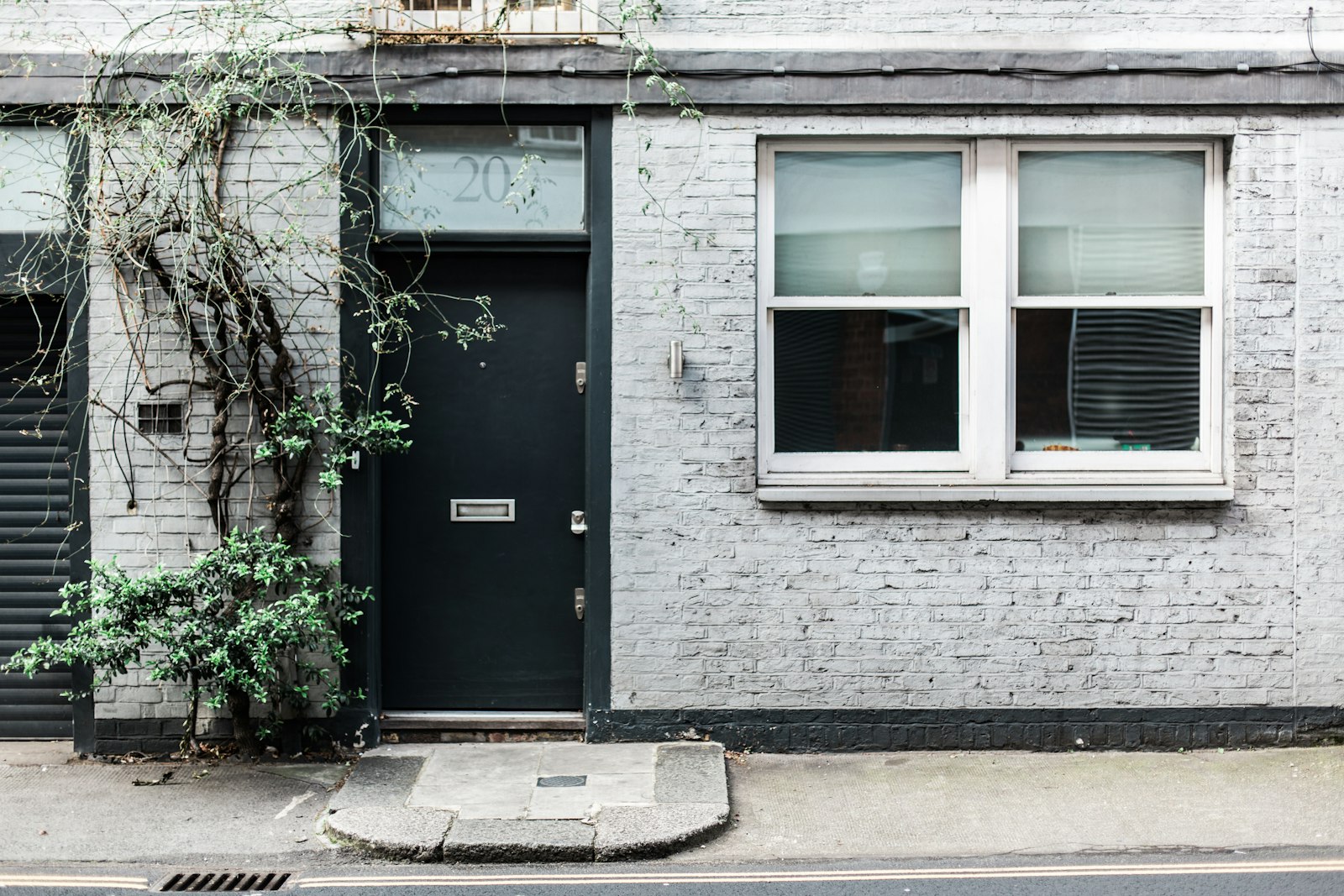
10+ Years Across South London
Every front door should pass the Kitemark test. We get yours there for under £200.
FAQ
The seven British Standard locks questions we hear every week
If your question about British Standard locks isn't here, WhatsApp us your policy wording or a photo of your lock — we'll answer within an hour.
British Standard locks — what is a BS3621 lock?
BS3621 is the British Standard for thief-resistant locks fitted to external doors on dwellings. British Standard locks carrying the BS3621 Kitemark have been independently tested by BSI and certified to resist picking, drilling, forced entry, a minimum 5-pin / 1,000 differ code, and bolt strength tests. Most UK home insurance policies specify BS3621 British Standard locks on final exit doors.
British Standard locks identification — how do I know if my lock qualifies?
Open the door and look at the metal faceplate on the edge of the door. British Standard locks will be stamped with the BSI Kitemark (a curved heart-shaped symbol) and the text BS3621 followed by the year of the standard (for example BS 3621:2017). If you can only see the manufacturer logo with no Kitemark, the lock is not certified. Need a second opinion? Send us a close-up photo via WhatsApp.
British Standard locks compared — BS3621 vs BS8621 vs BS10621?
Among British Standard locks: BS3621 requires a key to lock and unlock from both sides — standard for most front doors. BS8621 allows keyless exit from the inside using a thumb-turn — used where fire escape or disabled access matters (HMOs, flats). BS10621 has an external override key but locks with a thumb-turn internally — used for shops and offices where only the keyholder should lock up at close of business. Pick the wrong one and you fail either fire-safety rules or insurance rules.
British Standard locks and insurance — will my policy pay out without them?
If your policy specifies BS3621 and you don't have certified British Standard locks fitted, insurers can reduce or reject a burglary claim — even if the thief entered through a window and never touched the non-compliant door. Always read the Security Condition clause. We fit certified British Standard locks across South London from £180 and supply a dated fitting invoice showing the standard met. Check our Insurance Approved Door Locks guide for the claim side.
Are British Standard locks the same as Kitemark?
Not quite. The Kitemark is the BSI's trust mark awarded to products tested and certified against a specific British Standard. BS3621 is the standard itself. Compliant British Standard locks carry both — the Kitemark symbol plus the text BS3621 — stamped directly on the lock faceplate. A Kitemark without a BS number is meaningless for insurance; a BS3621 stamp without the Kitemark is a counterfeit.
British Standard locks vs Sold Secure Diamond — which is better?
They test different things. British Standard locks (BS3621) are a full-lock standard — body, bolt, cylinder, keying, all together. Sold Secure tests the cylinder only, with Bronze, Silver, Gold and Diamond ratings reflecting attack-time resistance (Diamond = 5+ minutes). Best practice for insurance-grade front doors is a BS3621 mortice deadlock on timber, or a Sold Secure Diamond cylinder inside a compliant multi-point on uPVC / composite.
British Standard locks cost — how much to fit in South London?
British Standard locks (BS3621 5-lever mortice deadlock) supplied and fitted start from £180 at Locksmith South London. That covers the certified lock, the labour to remove the existing lock, any minor morticing adjustment, a new matching keep, and a 12-month workmanship guarantee. Anti-snap cylinder upgrades on uPVC doors start from £200. Get in touch for a fixed quote.
Related Reading
Before you buy, read these
Sibling guides in the Security Locks family — all written by our fitters, all based on real South London jobs.
Sibling Guide
BS3621 Locks
The dedicated page on BS3621 mortice fitting, recommended brands, and typical insurance acceptance criteria.
Read guide Sibling GuideInsurance Approved Door Locks
Everything UK home insurers look for — BS3621, TS007, Sold Secure, multi-point gearboxes — decoded in plain English.
Read guide Lock Type5-Lever Mortice Lock
The most common BS3621 format in South London homes — how it works, best brands, and what it costs fitted.
Read guide Security LocksAnti-Snap Locks
The uPVC-door equivalent of BS3621 — why a TS007 3-star anti-snap cylinder is what your insurer actually wants.
Read guide Security LocksDrill Resistant Locks
The hardened-steel side of BS3621 attack resistance, explained at the component level with the 6 best brands.
Read guide Security LocksAnti-Pick Locks
The pick-resistance half of BS3621 deconstructed — mushroom drivers, restricted keyways, side bars.
Read guide
Also Serving
Everything we do, everywhere we go
Hub pages, sibling guides and every South London postcode we cover for BS3621 fitting.
Explore the site
Related locks & problems
Next Step
Get insurance-ready today — most BS3621 fits take under an hour.
Call for an immediate booking, or WhatsApp a photo of your lock and your insurance Security Condition clause and we'll tell you exactly what needs to happen. Free audits, fixed prices, no call-out fee.
30-Minute ResponseDBS Checked12-Month GuaranteeInsurance-Ready Invoice
Live now
Call 07398 533407
Locked out? We can be at your door in 30 minutes.
Locksmith South LondonSouth London · Croydon · CR & SW
Family-run, DBS-checked locksmiths covering South London since 2015. Lockouts, lock changes, uPVC door repairs, smart locks, commercial & insurance work — clear pricing before any job begins.
Office Address81 Hood Close, Croydon, CR0 3SR
8am–8pm Phone07398 533407
WhatsAppMessage us · we reply in <5 min
Emailinfo@locksmithsouthlondon.com
CoverageSW · CR · SE postcodes — South London
Available now
8am–8pm across every South London postcode
30min
Avg response
5.0★
Google rating
10+yrs
Local since 2015
Lock Types
- Euro Cylinder Lock
- Anti-Snap Cylinder
- Anti-Bump Cylinder
- Thumb-Turn Cylinder
- Double Cylinder
- Night Latch
- Mortice Lock
- 5-Lever Mortice
- 3-Lever Mortice
- Mortice Deadlock
- Mortice Sash Lock
Door Locks
Security Locks
- Anti-Snap Locks
- Anti-Bump Locks
- Anti-Pick Locks
- Drill-Resistant Locks
- Insurance-Approved
- British Standard
Smart & Specialist
Window & Garage
Services
- Emergency Locksmith
- Lost House Keys
- Replacement Cost
- uPVC Lock Repair
- Composite Replacement
- Commercial Locksmith
- Master Key Systems
- Key Safe Installation
Resources
Top Guides
- Types of Door Locks
- Best Door Locks UK
- How to Choose a Lock
- Lock Grades Explained
- How Door Locks Work
- After a Break-In
Emergency Locksmith Areas
- Emergency Locksmith Croydon
- Emergency Locksmith South Croydon
- Emergency Locksmith Purley
- Emergency Locksmith Banstead
- Emergency Locksmith Thornton Heath
- Emergency Locksmith New Addington
- Emergency Locksmith Norbury
- Emergency Locksmith Coulsdon
- Emergency Locksmith Kenley
- Emergency Locksmith Caterham
- Emergency Locksmith Sanderstead
- Emergency Locksmith Sutton
- Emergency Locksmith Carshalton
- Emergency Locksmith Wallington
- Emergency Locksmith Mitcham
Where we show up fast
South London is our home turf. 30-minute response promise across these postcodes — call us 8am–8pm, 7 days a week.
View full coverage map →Latest from Locksmith Advice
All guides →
DBS Checked
Fully Insured
5.0 Google Rating
8am–8pm Service
No Call-Out Fee
10+ Years Local
Card · Cash
© 2026 Locksmith South London · All rights reserved.
Payment
Card · Cash
Pre-Booked Lock Change Areas
- Wandsworth
- Battersea
- Clapham
- Streatham
- Peckham
- Putney
- Wimbledon
- Richmond
- Kingston
- Surbiton
- East Dulwich
- West Dulwich
- West Norwood
- Orpington
- Beckenham
- Greenwich
- Blackheath
- Eltham
- Sydenham
- Hither Green
- Crystal Palace
- Banstead
- Purley
- Elephant & Castle
- Cheam
- Chislehurst
- Sidcup
- Bexleyheath
- Pimlico
- Victoria
- Fulham
- Chelsea
- Balham