
Available Now · 8am–8pm South London
Wooden Door LocksMortice, Sash & Night Latch Specialists
Wooden door locks fitted to insurance grade across South London. We fit, repair and upgrade BS3621 mortice deadlocks, sash locks, deadlocking night latches and rim cylinders on every Victorian, Edwardian, interwar and post-war timber door across South London. Insurance-grade work, fixed prices, no call-out fee.
BS3621 Kitemark Stocked
Union, ERA, Yale, Chubb, Banham
30-Minute Average Response
Fixed Prices, No Call-Out Fee
Google Rated 5.0
DBS Checked
30-Min Average Response
Fully Insured
12-Month Workmanship Guarantee
BS3621 Kitemark Mortice Locks Stocked·
Union · ERA · Yale · Chubb · Banham · Legge · Securefast·
Victorian & Edwardian Door Specialists·
5-Lever Mortice Deadlock Insurance Approved·
Heritage Timber Repairs & Reinforcement·
From Croydon to Dulwich, Brixton to Bromley·
BS3621 Kitemark Mortice Locks Stocked·
Union · ERA · Yale · Chubb · Banham · Legge · Securefast·
Victorian & Edwardian Door Specialists·
5-Lever Mortice Deadlock Insurance Approved·
Heritage Timber Repairs & Reinforcement·
From Croydon to Dulwich, Brixton to Bromley·
Heritage Door Specialists
Wooden Doors Need a Different Conversation
A Victorian timber front door has been swelling and shrinking through 130 South London winters. The lock you fit today has to work with that — not against it.
South London is a timber-door city. Walk down any street in Streatham, Tooting, Camberwell, Honor Oak or East Dulwich and most front doors are the original 1880s–1930s pine, oak or hardwood — restored, repainted, sometimes hidden behind a porch but still doing the same job. Modern composite and uPVC doors have a single lock category. A wooden door has five, each fitted differently, each with its own kitemark, its own insurance position, and its own price.
We are Locksmith South London, a DBS-checked, fully insured local team that fits, repairs and upgrades wooden door locks across every CR, SE, SW, SM and BR postcode — from Croydon through Norbury to Brixton, Forest Hill and Beckenham. Our vans carry the BS3621 5-lever mortice deadlocks, sash locks and night latches that the historic timber doors of South London actually take, plus the Union, ERA, Yale, Chubb, Legge and Banham brands you'll already have on your door.
This page covers everything you need before booking: which lock type your door actually wants, what BS3621 means and why your insurer asks for it, the seven parts of a mortice lock and which one fails, the door-thickness and rebate measurements that change the quote, the four problems we fix every week, and the honest fitted prices. If you'd rather skip the reading, send a photo of your door edge (where the bolt comes out) on WhatsApp and we'll quote within 30 minutes — or call 020 8050 2017.
Need help with a different lock or door type? Read the mortice lock guide for the cylinder-free deadbolt option, the Yale lock page for the night-latch side, or the 5-lever mortice lock page for the insurance-grade BS3621 standard. You can also browse the full door locks hub, our areas we cover directory, or the Locksmith Advice blog for long-form guides on British Standard locks and home insurance. Already locked out or facing an emergency? Head to key snapped in lock or contact us directly.
Locksmith South London · DBS-Checked · Fully Insured · Workmanship Guaranteed
Know the Parts
Anatomy of a Mortice Lock
When a wooden door lock fails, it's never “the lock” — it's one of these eight parts. Knowing which one helps us diagnose by phone before the van rolls.
01
Lock Case
The metal box that sits inside the door's mortice cut-out. Houses every other component. Sized in 64mm, 76mm or 102mm cases for different door thicknesses.
02
Bolt (Deadbolt)
The square bar that throws out 20mm into the keep when you turn the key. BS3621 mandates a minimum 20mm throw and a hardened anti-saw insert.
03
Lever Pack
The internal levers that the key bitting must lift to the correct height before the bolt will move. 5-lever is the BS3621 minimum; some heritage locks have 7.
04
Faceplate
The narrow brass or steel plate visible on the door edge, with the bolt slot. Engraved with the kitemark on certified BS3621 locks — check for it.
05
Strike (Keep) Plate
The mating plate fixed into the frame that catches the bolt. A loose strike is the most common cause of a lock that “won't lock” on a wooden door.
06
Escutcheon
The keyhole cover plate, usually brass with a swivelling cap. Pure cosmetics on the inside; on the outside it can be the first thing a burglar drills around.
07
Latch (Sash Locks Only)
The sprung tongue at handle height that lets a sash lock close without keying. Deadlocks have no latch — that's the difference.
08
Spindle & Handles
The square bar that links inside and outside handles through the gearbox — sash locks only. A spindle that twists is what causes a handle to spin freely.
Lock Type Decoder
Five Locks That Fit a Wooden Door
Each one suits a different door, threat level and budget. Pick wrong and you fail your insurance. Pick right and the same door is good for another fifty years.
Insurance Standard
BS3621 5-Lever Mortice Deadlock
From £180 fitted · The insurer's baseline
Key-only deadbolt set into the door's mortice cut-out. Five (or seven) levers, 20mm bolt throw, hardened anti-drill plates, kitemark on the faceplate. The lock UK insurers ask for by name on a wooden front door.
- Insurance-compliant on its own
- Anti-drill, anti-pick, anti-saw
- Hidden inside the door — nothing to grip from outside
Mortice Sash Lock
From £180 fitted · Back doors & side gates
Same case as a deadlock plus a sprung latch and a handle. Lets you operate the door normally without keying every time. Used on back doors, kitchen doors and side gates — rarely on the front.
- Single-cut housing — easier door swap
- BS3621 versions available
- Latch can be slipped if not deadlocked
Deadlocking Night Latch
From £250 fitted · The Yale you actually want
Surface-mounted rim lock that auto-locks on close. The deadlocking version throws an extra fixed bolt that can't be slipped with a card or lever — the upgrade most South London terraces need above their mortice. See our deadlocking night latch page.
- Auto-locks the moment you close the door
- Anti-slip when deadlocked
- Pairs with mortice for true insurance setup
Standard Night Latch (Rim Lock)
From £250 fitted · Older terraces
The original spring-only Yale rim cylinder seen on inter-war and post-war doors. Auto-locks on close but the bolt can be slipped with a card. Fine as a secondary lock above a BS3621 mortice — not as the only lock on a front door.
- Daily-use convenience
- Can be slipped with a credit card
- Not insurance-compliant alone
Insurance & Standards
BS3621 — The British Standard Your Insurer Reads Out Loud
BS3621 is the British Standards Institute kitemark for thief-resistant locks fitted to single-leaf hinged doors. It's not a marketing tag — it's a tested standard that defines exactly how a lock must resist drilling, picking, sawing and forcing for a measured attack period.
If you read any UK home insurance policy schedule, the wording will say something close to: “all final exit doors must be fitted with a five-lever mortice deadlock conforming to BS3621.” That clause is what allows the insurer to refuse a burglary claim if the front door fails it.
How to spot a BS3621 lock
The kitemark — a stylised heart-and-cross symbol — is engraved on the faceplate of the lock, visible on the door edge when the door is open. If your faceplate has only a brand stamp and no kitemark, the lock isn't certified, regardless of how many levers it has.
For the deeper read, see our BS3621 and home insurance guide, the 5-lever mortice lock page, or the insurance approved door locks hub for the complete picture.
What BS3621 Actually Tests
- 1Five-lever minimum. Anything less can be picked too easily for kitemark approval.
- 220mm bolt throw. The deadbolt must extend at least 20mm into the keep plate.
- 35-minute drill resistance. Hardened plates must withstand a defined attack window.
- 4Anti-pick lever pack. Levers must include false notches that defeat raking attempts.
- 51,000 key differs minimum. Reduces the realistic chance of a duplicate key working another lock.
- 6Anti-saw bolt insert. The bolt itself contains a hardened pin that breaks saw blades.
Get the Measurements Right
Door Thickness, Backset & Centre — Why Measurements Decide the Lock
A wooden door isn't a flat slab. It has a thickness, a backset and a centre line, and the wrong combination means the lock either won't fit or weakens the door. Three numbers we always check before quoting.
01
Door Thickness
44mm standard
External UK timber doors are 44mm thick. Internal doors are 35mm. A 64mm or 76mm mortice case fits a 44mm door comfortably; 35mm internal doors only suit slimmer mortice latches or tubular latches — not a deadlock.
02
Backset
57mm or 76mm
The horizontal distance from the door edge to the centre of the keyhole. UK standard mortice locks come in 57mm (smaller, for slimmer doors) or 76mm (most common, for solid timber). A wrong backset means the keyhole misses the existing escutcheon hole.
03
Centre Distance (Sash)
57mm centres
On a sash lock only — the vertical distance between the keyhole centre and the spindle centre. UK standard is 57mm; some Continental locks use 72mm. Get this wrong and the handle won't sit at the right height.
The Condition of Old Timber Matters — A Lot
South London's pre-war timber doors split, swell after wet winters, develop dry rot near the bottom rail and have soft fibres around historic mortices. Before fitting a fresh BS3621 lock, we inspect the door rebate, the surrounding stile and the existing strike plate housing. About one in twenty heritage doors needs a small carpentry repair before a new mortice goes in — we'll always tell you straight.
Diagnose Before You Call
Six Wooden Door Lock Faults We See Every Week
Match your symptom to the card. The right diagnosis means the right part on the van — and a one-visit fix at the price quoted on the phone.
Key Stiff · Bolt Sticky
Worn Lever Pack
Internal levers wear down after thousands of operations. Symptoms: key needs jiggling, bolt stops mid-throw, eventually refuses to engage at all.
FixBS3621 5-lever mortice replacement — from £180. Like-for-like Union or ERA on the van.
Door Sticks · Won't Close
Swollen Timber After Rain
Old timber soaks up moisture and grows by 1–2mm in winter. The bolt no longer aligns with the strike plate. Forcing it strips the bolt nose.
FixDoor easing plus strike re-alignment — from £120. Often included free with a lock change.
Key Snapped Off in Lock
Broken Key Inside Mortice
Cold morning, low-cut key, frozen mechanism — key snaps. Pulling makes it worse. Drilling damages the lock case beyond repair.
FixNon-destructive extraction — from £120. New keys cut on site if lock is still serviceable.
Lock Falls Out of Door
Soft Timber Around the Mortice
Decades of swelling-shrinking cycles turn the mortice cut-out fibrous. Eventually the lock case loses its grip and starts to wobble.
FixResin reinforcement plus re-fit — from £180. Door can stay in place for the repair.
Night Latch Slipping
Worn Spring or Cylinder
Yale-style night latch no longer holds shut, or the cylinder turns roughly. Spring fatigue and brass cylinder wear after 20+ years of use.
FixDeadlocking night latch upgrade — from £250. Anti-slip bolt as standard.
No Kitemark Visible
Lock Not BS3621 Certified
Faceplate has no kitemark. Lock might be 5-lever but isn't tested or insurance-recognised. Insurer can refuse a claim.
FixBS3621 kitemarked replacement — from £180. Same-day insurance compliance.
Wooden Door Services
Talk to a Locksmith Now
The Four Jobs We Do Most on Timber Doors
BS3621 Mortice Change
Like-for-like 5-lever mortice deadlock. Kitemark stocked. Two new keys cut on site.
From £180Night Latch Replacement
Yale-style or deadlocking night latch. Surface-mounted on the inside of the door, no mortice cut needed.
From £250Sash Lock Repair
Spindle replacement, latch re-spring, handle re-fit. Most back-door sash locks are repairable rather than replacement.
From £150Emergency Lockout
Snapped key, lost keys, stuck mechanism. Non-destructive entry first wherever possible. 30-min average.
From £120
From Call to Done
Three Steps. Same Day. Fixed Price.
No quote sheets, no “we'll call you back,” no parts ordered next week. Diagnose, quote, fix.
1
Call or WhatsApp
Tell us the door age, the lock symptoms, and your postcode. A photo of the door edge helps. We diagnose by phone in 90 seconds.
2
Local Locksmith Arrives
30-minute average across South London. Van carries BS3621 mortice locks plus deadlocking night latches in every common size.
3
Lock Fitted & Tested
Job done while you watch. We test the bolt throw five times, hand you new keys, take card or cash, email a 12-month workmanship guarantee.
Why Locksmith South London
Heritage Door Specialists. Insurance-Grade Locks.
South London's pre-war housing stock is our daily work. We've fitted BS3621 locks into Victorian Streatham terraces, Edwardian Camberwell semis, 1930s Beckenham bay-fronts and 1950s Sidcup post-wars. Different timber, different rebates, different rituals — same insurance-compliant outcome.
4,800+Wooden Doors Serviced
30 minAverage Response
5.0Google Rating
DBS Checked
Every locksmith is DBS-cleared. We work in homes, schools and care settings.
No Call-Out Fee
Quote is the price. No travel charge, no same-day surcharge, no hidden VAT.
30-Min Average
Vans staged across South London CR, SE, SW, SM and BR postcodes for fast dispatch.
Fixed Prices
You hear the price before we touch a screw. No surprise add-ons after the job.
Free Security Audit
One-page written report on lock kitemark, hinge bolts, frame integrity and timber condition.
12-Month Guarantee
Workmanship and parts covered. We come back free if anything fails inside the year.
Card or Cash
Pay how you like. Card reader on the van. Receipt emailed before we leave.
5.0 Google Rating
Hundreds of South London homeowners. Verified Google reviews, not paid testimonials.
BS3621 Stocked
Kitemark mortice locks in 64mm, 76mm and 102mm cases — ready to fit today.
Heritage Timber Trained
We know how to fit a fresh lock into a 1900s door without splitting the stile.
Honest Pricing
Wooden Door Lock Costs — South London
Fixed fitted prices. No call-out fee. No VAT add-on. Card or cash on completion.
Emergency Lockout
From£120
Non-destructive entry. Snapped key extraction included. 30-min average.
- Picked open where possible
- Two new keys cut on site
- 12-month guarantee
Most Popular
BS3621 Mortice Change
From£180
Like-for-like 5-lever mortice deadlock. Kitemark certified. Insurance-grade.
- BS3621 kitemark on faceplate
- Three keys included
- Insurance-compliant on its own
Night Latch Replace
From£250
Yale-style or deadlocking night latch. Rim cylinder swap if needed.
- Auto-locks on close
- Anti-slip deadlocking option
- Two new keys cut on site
Sash Lock Repair
From£150
Spindle, latch spring, handle re-fit. Most sash locks are repairable.
- Diagnose on the doorstep
- Repair preferred over replace
- 5-throw test before sign-off
Verified Reviews
What South London Homeowners Say
5.0
Google verified
“
Insurance renewal flagged that our 1890s Streatham front door didn't have a kitemarked mortice. Booked an audit, they showed me the missing kitemark on the faceplate, fitted a Union BS3621 the same morning. Insurer accepted the spec by email by lunchtime.
DA
Daniel A.Streatham, SW16
“
Snapped the key in our oak back door on a wet Sunday. Three other locksmiths quoted me a complete door change. Locksmith South London arrived in 30 minutes, extracted the snapped half non-destructively, cut a fresh key from the broken pieces, no damage to the lock at all.
NK
Nadia K.Honor Oak, SE23
“
Beautiful Edwardian door in Camberwell with a knackered Yale latch and a wobbly mortice. Two-hour visit: replaced the night latch with a deadlocking version, refitted the mortice with resin reinforcement around the worn timber, three new keys for both. Door looks original, locks like new.
RB
Rohan B.Camberwell, SE5
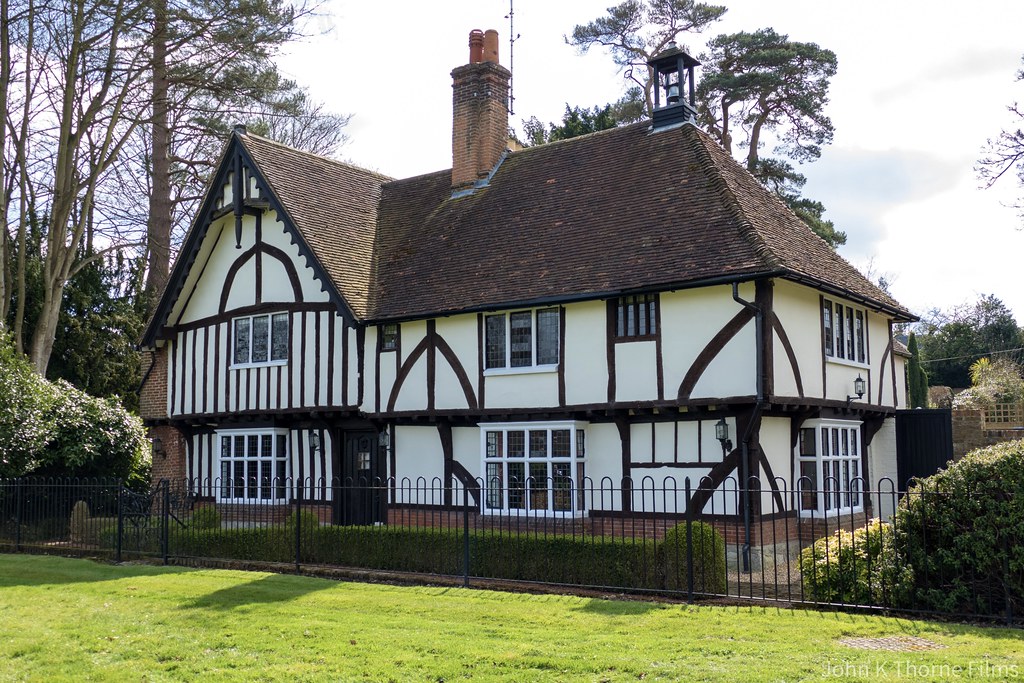
Heritage Door Specialists
Every Brand. Every South London Postcode.
Union, ERA, Yale, Chubb, Banham, Legge, Securefast, Asec — on the van today.
Common Questions
Wooden Door Lock FAQs
Pulled from real homeowner questions we get every week. If yours isn't here, ask on WhatsApp.
What is the best lock for a wooden front door?
For a wooden front door in the UK, fit a BS3621 5-lever mortice deadlock as the primary lock and pair it with a deadlocking night latch above. This combination gives you the insurance-required British Standard certification on the deadlock plus the daily-use convenience of a slam-shut night latch — and it's the setup most South London insurers ask for. See our 5-lever mortice lock page for the deadlock side and deadlocking night latch for the night latch.
How much does it cost to change a wooden door lock?
A like-for-like BS3621 5-lever mortice deadlock change starts at £180 fitted. A night latch replacement starts at £250. A complete mortice plus night latch upgrade is from £380. We give you a fixed price before any work — no call-out fee, no VAT add-on, no surprises. Need a wider cost view? See lock replacement cost.
Is a 5-lever mortice lock a legal requirement on wooden doors?
Not legally — but practically, yes. UK home insurance policies almost universally require either a BS3621 mortice deadlock with five or more levers, or an equivalent multi-point system, on wooden external doors. Without one, a burglary claim can be reduced or refused. The 5-lever requirement is what BS3621 itself mandates as the minimum lever count for kitemark certification. Read more on the BS3621 and insurance page.
What is the difference between a mortice deadlock and a sash lock?
A mortice deadlock has a key-operated bolt only — no handle, no latch. You unlock it, push the door, push it shut, lock it. A mortice sash lock combines the same key-operated deadbolt with a sprung latch and a handle — so you can operate the door like a normal interior door without keying every time. Front doors usually take a deadlock; back doors and side doors usually take a sash lock.
Can you fit a new lock to an old wooden door?
Yes — but the door's condition matters. Older timber doors split, swell, develop dry rot or have soft fibres around historic mortices. Before fitting, we inspect the rebate and check whether the door can take a fresh cut without compromising the surrounding wood. Most Victorian and Edwardian South London front doors are perfect candidates for a new BS3621 lock; some interwar doors need a small repair first.
Do night latches meet insurance requirements on their own?
A standard night latch on its own does not meet most insurer policy wording — you'd be relying on a single sprung-bolt mechanism that can be slipped with a card. A deadlocking night latch (which throws a fixed bolt in addition to the sprung latch) gets closer, but the standard insurance requirement on a wooden front door is still a BS3621 mortice deadlock as the primary lock.
How thick does a wooden door need to be to take a mortice lock?
A standard external timber door is 44mm thick — comfortably enough for either a 64mm or 76mm case mortice lock. Internal timber doors are 35mm and only suit shallower mortice latches or tubular latches. We measure the door thickness, the available rebate depth, and the centre line before quoting any mortice job — get this wrong and the lock either bottoms out or weakens the door.
Related Lock Types
Other Locks We Fit on South London Timber Doors
Wooden door work touches every adjacent lock category. Browse the related guides for the cylinder, mortice and security upgrades we use most.
Also Serving
Wooden Door Locks Across South London
We work every CR, SE, SW, SM and BR postcode. Browse the network or jump to a specific area.
Explore the Site
Related Locks & Problems
Wooden Door Lock Trouble?
We're 30 Minutes Away.
Talk to a real South London locksmith now. We'll diagnose the fault by phone in 90 seconds and quote you a fixed price before the van rolls.
30-min average
Fixed prices, no VAT
DBS-checked locksmiths
12-month guarantee
Live now
Call 0208 050 2017
Locked out? We can be at your door in 30 minutes.
Locksmith South LondonSouth London · Croydon · CR & SW
Family-run, DBS-checked locksmiths covering South London since 2015. Lockouts, lock changes, uPVC door repairs, smart locks, commercial & insurance work — clear pricing before any job begins.
Office Address81 Hood Close, Croydon, CR0 3SR
8am–8pm Phone0208 050 2017
WhatsAppMessage us · we reply in <5 min
Emailinfo@locksmithsouthlondon.com
CoverageSW · CR · SE postcodes — South London
Available now
8am–8pm across every South London postcode
30min
Avg response
5.0★
Google rating
10+yrs
Local since 2015
Lock Types
- Euro Cylinder Lock
- Anti-Snap Cylinder
- Anti-Bump Cylinder
- Thumb-Turn Cylinder
- Double Cylinder
- Night Latch
- Mortice Lock
- 5-Lever Mortice
- 3-Lever Mortice
- Mortice Deadlock
- Mortice Sash Lock
Door Locks
Security Locks
- Anti-Snap Locks
- Anti-Bump Locks
- Anti-Pick Locks
- Drill-Resistant Locks
- Insurance-Approved
- British Standard
Smart & Specialist
Window & Garage
Services
- Emergency Locksmith
- Lost House Keys
- Replacement Cost
- uPVC Lock Repair
- Composite Replacement
- Commercial Locksmith
- Master Key Systems
- Key Safe Installation
Resources
Top Guides
- Types of Door Locks
- Best Door Locks UK
- How to Choose a Lock
- Lock Grades Explained
- How Door Locks Work
- After a Break-In
Emergency Locksmith Areas
- Emergency Locksmith Croydon
- Emergency Locksmith South Croydon
- Emergency Locksmith Purley
- Emergency Locksmith Banstead
- Emergency Locksmith Thornton Heath
- Emergency Locksmith New Addington
- Emergency Locksmith Norbury
- Emergency Locksmith Coulsdon
- Emergency Locksmith Kenley
- Emergency Locksmith Caterham
- Emergency Locksmith Sanderstead
- Emergency Locksmith Sutton
- Emergency Locksmith Carshalton
- Emergency Locksmith Wallington
- Emergency Locksmith Mitcham
Where we show up fast
South London is our home turf. 30-minute response promise across these postcodes — call us 8am–8pm, 7 days a week.
View full coverage map →Latest from Locksmith Advice
All guides →
DBS Checked
Fully Insured
5.0 Google Rating
8am–8pm Service
No Call-Out Fee
10+ Years Local
Card · Cash
© 2026 Locksmith South London · All rights reserved.
Payment
Card · Cash
Pre-Booked Lock Change Areas
- Wandsworth
- Battersea
- Clapham
- Streatham
- Peckham
- Putney
- Wimbledon
- Richmond
- Kingston
- Surbiton
- East Dulwich
- West Dulwich
- West Norwood
- Orpington
- Beckenham
- Greenwich
- Blackheath
- Eltham
- Sydenham
- Hither Green
- Crystal Palace
- Banstead
- Purley
- Elephant & Castle
- Cheam
- Chislehurst
- Sidcup
- Bexleyheath
- Pimlico
- Victoria
- Fulham
- Chelsea
- Balham