
Same-Day Fitting · South London
BS3621 Locks
fitted across South London
BS3621 locks fitted to insurance spec across South London. Insurance-approved mortice deadlocks, rim nightlatches and PAS3621 multipoint strips — Kitemark stamped, fitted today, and wired straight into the wording every UK home insurer uses.
Kitemark certified BS3621
Insurer-accepted fitting
30-min response SE/SW/CR
12-month workmanship guarantee
BS3621 fitting — from prices
LIVE NOW
5-lever mortice (timber)from £180
Rim nightlatch BS3621from £89
PAS3621 multipoint (uPVC)from £200
Insurance compliance auditFree
Fixed quote · No VAT · Card or cash accepted
Google Rated 5.0
DBS Checked
30-Min Response
Insurer-Compliant BS3621
Fixed Prices · No VAT
12-Month Guarantee
Kitemark certified BS3621 fitting
•
Fully insured & DBS checked engineers
•
30-minute average response SE/SW/CR
•
Insurer-accepted lock fitting
•
Card or cash accepted
•
12-month workmanship guarantee
•
Kitemark certified BS3621 fitting
•
Fully insured & DBS checked engineers
•
30-minute average response SE/SW/CR
•
Insurer-accepted lock fitting
•
Card or cash accepted
•
12-month workmanship guarantee
•
What BS3621 actually means
The British Standard every UK home insurer asks for
BS3621 is not a brand, a lock shape, or marketing jargon. It is a British Standards Institution test specification that an entire lock assembly must pass before the manufacturer can stamp the BSI Kitemark on the faceplate. That tiny heart-shaped stamp is what every UK home insurance policy is actually asking about when they use the phrase "five-lever mortice deadlock to BS3621" or "insurance-approved lock."
On a Victorian terrace in Croydon, a mansion flat in Norbury, or a 1930s semi in Sanderstead, the insurance wording is identical — and the standard is identical. What differs is whether the lock currently on your door passes the test or just looks like it should. Most doors we upgrade across South London have a five-lever lock that has no Kitemark stamp, which means the insurer can legally reduce a burglary payout.
If you are reading this because a surveyor, insurer or new-build handover pack told you your locks need to be BS3621, you are in the right place. We fit certified BS3621 locks the same day across every SE, SW and CR postcode — from £180 supply and fit on timber doors, from £200 on uPVC using a PAS3621 multipoint that insurers accept as equivalent.
This page is the full version of what we explain to customers on the phone every week. It covers how to tell if your existing locks are compliant, the five physical requirements BS3621 tests for, the difference between BS3621 / BS8621 / BS10621, how your specific home insurer words the requirement, and which brands we fit on South London doors. If you already know you need an upgrade, scroll to the pricing section or send us photos on WhatsApp for a fixed quote.
Part of our wider security locks range — BS3621 is the compliance layer, the anti-snap, anti-pick and drill-resistant standards are the physical attack layers. You want both on a modern entrance door. For a deeper primer, see our British Standard locks guide and our detailed BS3621 & home insurance explainer.
Kingston student-let landlords near the university and Crystal Palace landlords across the 5-borough Triangle both need BS3621 5-lever fits to clear local HMO licensing schemes. (Pre-booked: Kingston · Crystal Palace.)
Many of Banstead's interwar homes off the A217 (SM7) are still on their original 5-lever mortice — period-correct but without a Kitemark stamp — which is exactly the gap Surrey home insurers flag at renewal.
60-second home check
How to tell if your current lock is BS3621
Open your front door. Look at the long metal strip on the edge where the bolt comes out. Everything you need is on that faceplate — you do not need to remove a single screw.
What you're looking for
 BS3621 · 5-lever · Kitemark
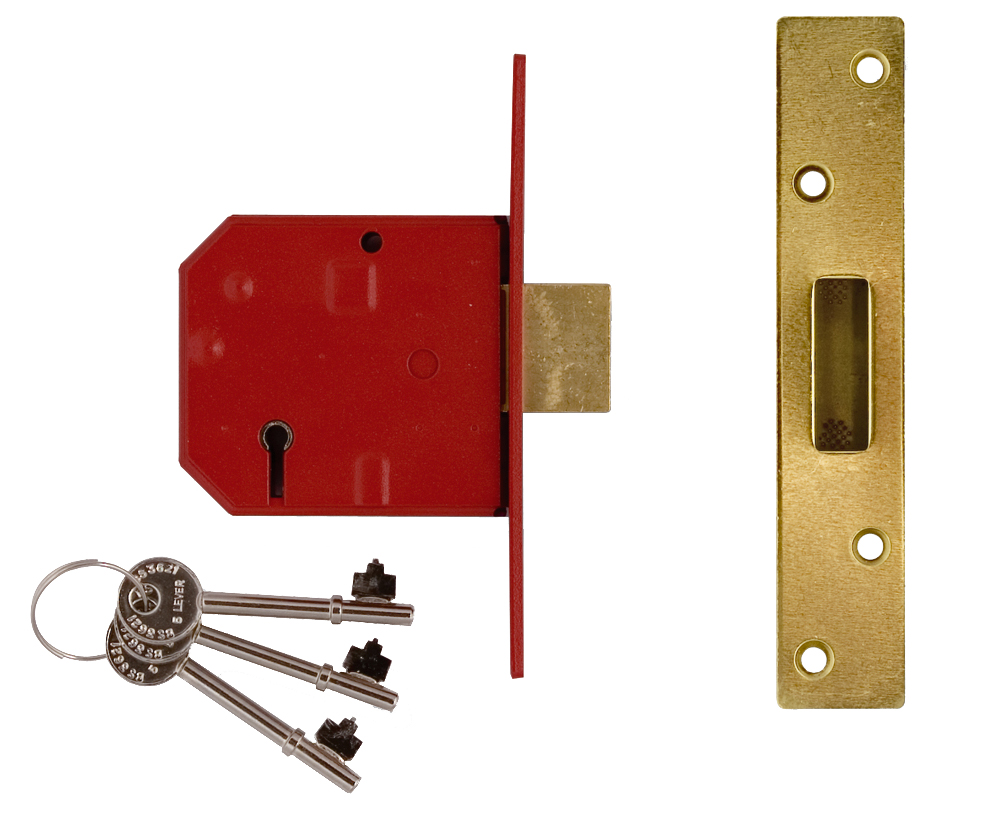 BS3621 · 5-lever · Kitemark

1
Find the faceplate
Open the door and look at the metal plate on the door edge — the strip where the bolt pokes out. All certification stamps live here.
2
Look for the Kitemark
A genuine BS3621 lock has a small heart-shaped BSI Kitemark stamped into the faceplate — not a sticker, not a paper tag, an actual stamp in the metal.
3
Read the standard number
Next to the Kitemark you should see "BS3621" (or "BS EN 1303" on modern euro cylinders used with a PAS3621 multipoint) plus a 4-digit year.
4
Check it is on the right door
Insurance only applies to final-exit doors — usually front, back, and any side door that opens directly outside. Internal and bathroom locks do not need BS3621.
5
Photograph it and send
If the stamp is worn, scratched, painted over, or just not there — WhatsApp us the photo. We will tell you inside five minutes whether it is compliant.
The five physical tests
What a lock has to survive to earn the Kitemark
These five tests are what separate a genuine BS3621 lock from a look-alike five-lever. Every stamp on every faceplate is a certificate that the lock survived all five in a BSI-accredited lab.
Physical attack resistance
5 minutes minThe lock must resist direct physical attack — crowbar, hammer, screwdriver — for at least five minutes in lab conditions.
Pick & manipulation
15 min resistA BSI-approved locksmith must fail to pick it within 15 minutes using professional tools — no tension wrench, no raking, no decoding.
Key differs
1,000 minimumAt least 1,000 unique key combinations — meaning a random key from another lock of the same model cannot open yours.
Bolt throw & strength
20 mm throwThe deadbolt must project a minimum of 20 mm into the frame and resist sustained side-loading without retracting.
Kitemark stamping
Third-party auditPassing all four tests is not enough — the manufacturer must also pass a BSI factory audit before Kitemark stamping is permitted.
Which type do you need
BS3621 Locks — The Four Types We Fit on South London Doors
Most insurers use the phrase "five-lever mortice deadlock to BS3621" in the small print, but that only describes one of the four options. The right one depends on your door material and whether the door is a fire escape.
Most common
5-Lever Mortice Deadlock
BS3621 · Timber doors
Bolt only — no handle mechanism. Sits in a chisel-cut pocket. Used on Victorian, Edwardian and 1930s timber front doors across South London. If your insurer says "5-lever mortice," this is the lock they mean.
from £180Timber
Back doors
5-Lever Mortice Sashlock
BS3621 · Timber doors with handle
Bolt and latch in one case. Used on timber back doors where a handle is needed for daily use. We fit the mortice sashlock version when the door has a separate handle set.
from £180Timber
Rim-mounted
Rim Nightlatch (BS3621)
BS3621 · Yale-pattern rim locks
Fitted to the inside face of the door rather than mortised in. Required where a flat front door has no room for a mortice chisel. Choose the BS3621-rated version — ERA Fortress or Yale 89P — never a standard nightlatch.
from £89Timber / flats
uPVC / composite
PAS3621 Multipoint
Equivalent standard · uPVC + composite
BS3621 cannot be chiselled into a uPVC door. The multipoint locking strip must be PAS3621-rated with a TS007 3-star cylinder. Insurers accept this as the BS3621 equivalent.
from £200uPVC / composite
Not all British Standards are the same
BS3621 vs BS8621 vs BS10621 — which one fits your door
All three standards have Kitemark stamps. They look nearly identical on the faceplate. But they behave very differently when you're standing inside the house — and the wrong one can fail a Fire Risk Assessment on an HMO.
BS3621
Key both sides
- Needs a key to lock and unlock from outside
- Needs a key to unlock from inside
- Highest security rating — burglary-focused
- Mandatory for most home insurance policies
Use on: Owner-occupier front & back doors, single-family homes, flats without HMO licensing.
BS8621
Thumbturn inside
- Needs a key from outside
- Opens without a key from inside (thumbturn)
- Same anti-burglary tests as BS3621
- Required on fire escape / HMO exits
Use on: HMOs, flats above shops, any door that must be a fire escape route under building regs.
BS10621
Key outside, dual-mode inside
- Can be locked by key from outside
- Only opens from inside if not double-locked
- Flexible — night-mode key, day-mode free exit
- Less common — niche commercial use
Use on: Shop fronts, offices, mixed-use doors where the escape requirement changes by time of day.
Common mistake: fitting BS3621 on a flat front door that is the only exit. If a fire starts inside, nobody can open the door without finding the key — a criminal offence on HMO doors and a fail on a Fire Risk Assessment. Always confirm the BS8621 thumbturn version for fire-escape doors before ordering. On conversion flats across Thornton Heath, South Croydon and Coulsdon we fit BS8621 as the default.
What your insurer actually asks
How six major UK insurers word the BS3621 requirement
The exact sentence matters. A claim can be reduced or declined because a lock is "five-lever" but not "British Standard." Here is what Aviva, Direct Line, LV, Admiral, Churchill and Saga actually put in their policy documents.
Aviva
Home insurance policy
"All final exit doors must be fitted with a five-lever mortice deadlock conforming to British Standard BS3621, or a multipoint locking system conforming to PAS3621."
BS3621 + PAS3621 explicitly named
Direct Line
Home essentials + plus
"Final exit doors must be secured by a mortice deadlock of at least five levers conforming to BS3621 (or BS EN 12209 grade 4 or higher)."
BS3621 or EN 12209 grade 4+
LV=
Britannia home insurance
"External doors must have a mortice deadlock with a minimum of five levers conforming to British Standard 3621, or an equivalent recognised standard."
BS3621 or "equivalent" (PAS3621)
Admiral
Home + contents policy
"The final exit door must be fitted with a BS3621 rated lock. This may be a mortice deadlock or rim automatic deadlock."
BS3621 rim nightlatch accepted
Churchill
Home contents insurance
"Your final exit doors must be fitted with a lock that conforms to BS3621, or a multipoint locking system certified to PAS3621."
BS3621 + PAS3621 both accepted
Saga
Home insurance (over 50s)
"All doors leading directly outside must be fitted with a key-operated five-lever mortice deadlock, meeting BS3621 or a later recognised British Standard."
BS3621 explicitly required
Not sure what your policy wording says?
Send us a photo of the "Minimum Security Requirements" clause in your insurance docs on WhatsApp. We will match it to the right lock before any quote.
The five BS3621 brands we actually carry
Which BS3621 lock should you ask for
Every lock below carries a current BSI Kitemark stamp. The choice between them comes down to door type, door age, and whether you want anti-snap protection on top of the standard.
On the van

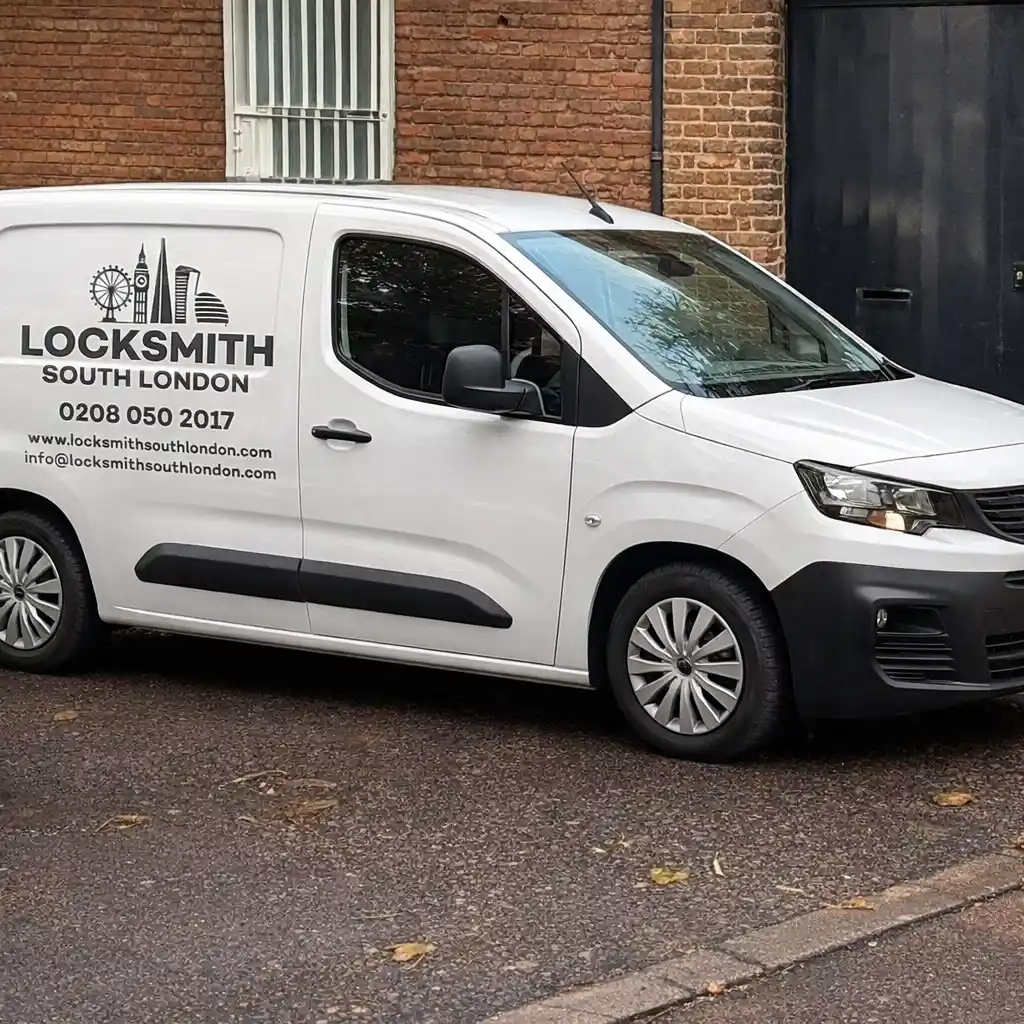
Stocked on every van
All five brands fitted same-day across SE, SW and CR postcodes.
01
Union 2134E
Our default
Timber doors
BS3621:2017
Best all-round 5-lever BS3621 mortice deadlock in the UK. Hardened steel plates, anti-pick curtain, 1000+ differs. Chosen by most locksmiths as the replacement default.
from £180
supply & fit
02
ERA Fortress
Rim nightlatch
BS3621 auto-deadlock
The go-to BS3621 rim nightlatch — automatic deadlocking, hardened bolt, snap-resistant cylinder. Used on Victorian and Edwardian front doors in flats where no mortice pocket exists.
from £89
supply & fit
03
Chubb 3G114E
High-security
Heritage timber
BS3621
Period-property specialist. Heavier-gauge 5-lever, detainer mechanism, often specified by conservation officers on listed doors across South London.
from £220
supply & fit
04
Yale PM552
Timber back doors
BS3621:2007
Mid-market 5-lever, long-throw deadbolt. Good choice for back doors and side entrances where front-door security is already handled by a deadlock.
from £180
supply & fit
05
Avocet ABS (uPVC)
uPVC / composite
PAS3621
TS007 3★
PAS3621 multipoint plus the TS007 3-star anti-snap cylinder — the combination most insurers want to see on uPVC. Doubles up BS3621 compliance with snap-resistance on one fitting.
from £200
supply & fit
Our BS3621 services
Four ways we fit BS3621 across South London
Same-day response, fixed quote before we start, and a 12-month workmanship guarantee on every BS3621 install we leave behind us.
Lock upgrade — timber door
Swap any existing non-compliant 3-lever or 5-lever lock for a genuine BS3621 Kitemark deadlock. Typical fit 35–50 minutes on an existing mortice pocket.
from £180Same day
PAS3621 upgrade — uPVC
Strip-out of faulty multipoint and fit PAS3621-rated replacement with a TS007 3-star anti-snap cylinder. Covers insurer wording on uPVC and composite doors.
from £200Same day
BS3621 rim nightlatch
ERA Fortress or Yale 89P rim nightlatch installed on Victorian-era flat front doors. Replaces any non-rated nightlatch that will not pass an insurance check.
from £250Same day
Free compliance audit
No obligation check on every lock on the property against your specific insurer wording. Done on WhatsApp from a photo or on-site in 10 minutes during any visit.
FreeNow
Fixed quote · No VAT · No call-out
BS3621 fitting costs across South London
Every price below includes the lock itself, removal of the old one, new strike plate, three cut keys, and the 12-month guarantee. No surprise charges when we arrive.
Euro cylinder swap
uPVC/composite — quick upgrade
from£135
30–40 min fit
- Replacement TS007 3-star cylinder
- 3 cut keys included
- Old cylinder removed & disposed
Most popular
BS3621 mortice deadlock
Timber front / back doors
from£180
35–50 min fit
- Union 2134E or equivalent BS3621
- Kitemark stamped — insurer compliant
- 3 keys + strike plate + 12-mo guarantee
- Free insurance compliance audit
PAS3621 multipoint
uPVC & composite entrance
from£200
45–60 min fit
- PAS3621 multipoint locking strip
- TS007 3-star anti-snap cylinder
- Alignment check + hinge reset
Rim nightlatch BS3621
Victorian / Edwardian flats
from£250
45–60 min fit
- ERA Fortress or Yale 89P BS3621
- Auto-deadlocking on close
- Reinforced strike plate
All prices supply-and-fit. No VAT. No call-out fee. Card or cash accepted. Emergency lockouts covered by our 8am–8pm locksmith service from £120. After midnight, prices increase — WhatsApp us for an exact quote.
From first call to new key in hand
How a BS3621 fitting works
Most BS3621 upgrades go from booking to finished job inside two hours. Here is what happens between you picking up the phone and us handing you three new keys.
1
Send photo or call
WhatsApp us a photo of your lock faceplate or your insurance wording. We quote within five minutes, fixed price, before we leave the van.
5 min quote2
Engineer arrives same day
One of our DBS-checked engineers reaches your door in about 30 minutes across SE, SW and CR, stocked with the BS3621 lock that matches your door.
30 min response3
Fitted, tested, keyed
Old lock out, new BS3621 lock in, Kitemark confirmed on faceplate, three keys cut, strike plate aligned — and a 12-month guarantee on the work.
35–60 min fit
Why Locksmith South London
The BS3621 specialist South London actually trusts
We are not a national franchise. We are the local team that gets called when insurance surveyors, letting agents and homeowners across SE, SW and CR need a BS3621 upgrade done quickly, cleanly, and signed off first time. Read the full Locksmith Advice archive or get in touch for a bespoke quote.
5.0
Google rating
168+
Verified reviews
30 min
Avg response
Kitemark stock on every van
Union, Chubb, ERA, Yale, Avocet — no wait, no re-visit.
Fully insured & DBS-checked
Vetted engineers, public liability up to £1M.
Insurer wording checked first
We match your policy, not a generic template.
Fixed quote, no VAT
Card or cash accepted — whatever is easiest.
30-minute avg response
Covering Croydon, Sutton, Purley, Coulsdon & more.
12-month workmanship guarantee
Free return visit if anything is not perfect.
Local team — not a franchise
Same engineers from first call to last guarantee visit.
Clean finish — no mess
Dust sheets down, cuttings collected, no chipped paint.
What customers say
BS3621 jobs on South London doors
168 verified Google reviews and a 5.0 rating — three of the most recent BS3621 upgrades we fitted this quarter.
Aviva rejected my home-insurance renewal because the 1930s mortice lock was not BS3621. The team came the same afternoon, fitted a Union 2134E, sent me the Kitemark photo, and Aviva approved the renewal by evening. Fair fixed price, no upsell.
DH
Derek Holloway
Shirley, CR0 · Union 2134E deadlockLetting agent wanted BS8621 thumbturns fitted on a 4-bed HMO in SE25 before the Fire Risk Assessment. Two engineers arrived at 9am, fitted three BS8621 mortice sashlocks by lunchtime, signed the FRA paperwork for us. No faffing, proper professionals.
AP
Amara Popoola
South Norwood, SE25 · 3 × BS8621Our composite front door was fine-looking but the cylinder was a bog-standard one. They swapped in a PAS3621 multipoint with a TS007 3-star anti-snap cylinder in just under an hour. Emailed the Kitemark photos straight to Direct Line on the spot.
RB
Roisin Brennan
West Dulwich, SE21 · PAS3621 multipoint
Serving every SE, SW and CR postcode
We cover the whole south London catchment from a single dispatch point — a van is usually already on your route. Typical 30-minute response into Croydon, Sutton, Wallington, Bromley and the Lambeth/Lewisham borders.
SE1 · SE5 · SE13 · SE19 · SE21 · SE25
SW2 · SW4 · SW9 · SW12 · SW16
CR0 · CR2 · CR3 · CR5 · CR7 · CR8
SM1 · SM5 · SM6 · BR1 · BR3 · BR6
Engineers are briefed every morning with the day's BS3621 stock list so nobody arrives without a Kitemark lock in the right size. Need a part not carried as standard? We route the job to the engineer already holding it.
Your job is logged to your postcode, your insurer, and your door type so any follow-up is handled by the same person who fitted it first time round. One point of contact from first WhatsApp to 12-month check-in.
BS3621 locks questions
BS3621 locks — frequently asked questions
Eight straight answers about BS3621 locks for South London homeowners and landlords.
BS3621 locks — what does the standard mean?
BS3621 is the British Standard for thief-resistant BS3621 locks used on entrance doors. A lock must resist five minutes of physical attack, 15 minutes of picking, have at least 1,000 key differs, and carry the BSI Kitemark on the faceplate. It is the standard almost every UK home insurance policy asks for on final-exit doors.
BS3621 locks identification — how can I tell if my lock qualifies?
Open the door and look at the metal faceplate on the edge where the bolt comes out. Genuine BS3621 locks have a BSI Kitemark (heart symbol) stamped alongside "BS3621" and a 4-digit year. No Kitemark means it does not meet insurance requirements, even if the lock has five levers.
BS3621 locks and insurance — will my cover be invalid without them?
Most UK home insurers — Aviva, Direct Line, LV, Admiral, Churchill, Saga — require BS3621 locks on all final-exit doors. If a claim follows a break-in and the locks are not compliant, the insurer can reduce the payout or decline it. On uPVC doors, insurers accept PAS3621 multipoint systems as the equivalent.
BS3621 locks cost — how much in South London?
Supply and fit of BS3621 locks (5-lever mortice deadlock) starts from £180 including the lock. Rim nightlatch (ERA Fortress / Yale 89P) starts from £250. PAS3621 multipoint fitting for uPVC starts from £200. No VAT, no call-out fee, card or cash accepted.
BS3621 locks vs BS8621 vs BS10621 — what's the difference?
BS3621 locks need a key both sides — used on most UK front doors. BS8621 unlocks from inside via thumbturn without a key — required on fire-escape routes and HMO exits. BS10621 allows lock-from-outside but only opens from inside if deliberately left unlocked — used on shops and mixed-use doors.
Can BS3621 locks be fitted to a uPVC door?
Not directly. BS3621 locks are written for timber doors with mortice chisel pockets. On uPVC and composite doors we fit a PAS3621-rated multipoint locking strip which insurers accept as equivalent. We confirm the insurer accepts the swap before quoting.
Do I need to change every lock in the house to BS3621 locks?
Insurers only require BS3621 locks on final-exit doors — usually the front door and any back door that leads directly outside. Internal doors, bathroom locks and garage side doors are not covered by the standard and do not need upgrading for insurance.
How long does BS3621 locks fitting take?
A straight replacement on an existing mortice pocket takes 35–50 minutes on a timber door. A first-time fit where the door has never had a mortice lock takes 60–90 minutes because we chisel a new pocket. uPVC multipoint swaps take 45–60 minutes.
Related security standards
Read up before you book
BS3621 is one layer of the puzzle. These are the lock types and standards that sit alongside it on a well-secured South London front door.
Lock type
5-Lever Mortice Lock (BS3621)
The specific product category BS3621 was written for. Measurements, installation process, and when a sashlock is needed instead.
Lock typeMortice Deadlock
Bolt-only deadlock variant — the most common BS3621 form factor. Fitted where a separate handle set already exists on the door.
Lock typeMortice Sashlock
Bolt-and-latch combination lock. Usual choice for back doors where a handle is used daily alongside the deadlock.
Security layerAnti-Snap Locks
Euro-cylinder snap resistance — the physical attack layer BS3621 alone does not cover. Always specify both on uPVC doors.
uPVC equivalentPAS3621 Multipoint
The uPVC-door equivalent to BS3621. How to tell if your multipoint strip is PAS3621-rated and what a TS007 3-star cylinder adds.
Insurance guideBS3621 & Home Insurance UK
Deep-dive on how UK home insurance treats lock standards, what happens at claim time, and how to read a policy "minimum security" clause.
Also from Locksmith South London
Where to go next
Whether you are looking for a sibling security standard, a related lock type, or a locksmith in a specific postcode — this is the full menu.
Explore the site
Related locks & standards
Book a BS3621 upgrade today
Insurance-approved BS3621 fitting — same day, fixed price
WhatsApp us a photo of your current lock faceplate or your insurance policy wording. We reply with a fixed quote inside five minutes and are usually at your door the same afternoon.
5.0 Google rating
DBS-checked engineers
30-min response average
12-month guarantee
Live now
Call 07398 533407
Locked out? We can be at your door in 30 minutes.
Locksmith South LondonSouth London · Croydon · CR & SW
Family-run, DBS-checked locksmiths covering South London since 2015. Lockouts, lock changes, uPVC door repairs, smart locks, commercial & insurance work — clear pricing before any job begins.
Office Address81 Hood Close, Croydon, CR0 3SR
8am–8pm Phone07398 533407
WhatsAppMessage us · we reply in <5 min
Emailinfo@locksmithsouthlondon.com
CoverageSW · CR · SE postcodes — South London
Available now
8am–8pm across every South London postcode
30min
Avg response
5.0★
Google rating
10+yrs
Local since 2015
Lock Types
- Euro Cylinder Lock
- Anti-Snap Cylinder
- Anti-Bump Cylinder
- Thumb-Turn Cylinder
- Double Cylinder
- Night Latch
- Mortice Lock
- 5-Lever Mortice
- 3-Lever Mortice
- Mortice Deadlock
- Mortice Sash Lock
Door Locks
Security Locks
- Anti-Snap Locks
- Anti-Bump Locks
- Anti-Pick Locks
- Drill-Resistant Locks
- Insurance-Approved
- British Standard
Smart & Specialist
Window & Garage
Services
- Emergency Locksmith
- Lost House Keys
- Replacement Cost
- uPVC Lock Repair
- Composite Replacement
- Commercial Locksmith
- Master Key Systems
- Key Safe Installation
Resources
Top Guides
- Types of Door Locks
- Best Door Locks UK
- How to Choose a Lock
- Lock Grades Explained
- How Door Locks Work
- After a Break-In
Emergency Locksmith Areas
- Emergency Locksmith Croydon
- Emergency Locksmith South Croydon
- Emergency Locksmith Purley
- Emergency Locksmith Banstead
- Emergency Locksmith Thornton Heath
- Emergency Locksmith New Addington
- Emergency Locksmith Norbury
- Emergency Locksmith Coulsdon
- Emergency Locksmith Kenley
- Emergency Locksmith Caterham
- Emergency Locksmith Sanderstead
- Emergency Locksmith Sutton
- Emergency Locksmith Carshalton
- Emergency Locksmith Wallington
- Emergency Locksmith Mitcham
Where we show up fast
South London is our home turf. 30-minute response promise across these postcodes — call us 8am–8pm, 7 days a week.
View full coverage map →Latest from Locksmith Advice
All guides →
DBS Checked
Fully Insured
5.0 Google Rating
8am–8pm Service
No Call-Out Fee
10+ Years Local
Card · Cash
© 2026 Locksmith South London · All rights reserved.
Payment
Card · Cash
Pre-Booked Lock Change Areas
- Wandsworth
- Battersea
- Clapham
- Streatham
- Peckham
- Putney
- Wimbledon
- Richmond
- Kingston
- Surbiton
- East Dulwich
- West Dulwich
- West Norwood
- Orpington
- Beckenham
- Greenwich
- Blackheath
- Eltham
- Sydenham
- Hither Green
- Crystal Palace
- Banstead
- Purley
- Elephant & Castle
- Cheam
- Chislehurst
- Sidcup
- Bexleyheath
- Pimlico
- Victoria
- Fulham
- Chelsea
- Balham
Pre-booked installs across South London
Same-day appointments for BS3621 kitemark fits and renewal sign-offs in Kingston, Wimbledon, Richmond, West Dulwich, West Norwood, Sydenham, Crystal Palace and Banstead.
BS3621 5-lever upgrades for insurance and HMO sign-off also serve Croydon, New Addington, Coulsdon, Sanderstead, Carshalton, Cheam, Chislehurst, Sidcup and Lock change in Bexleyheath DA6.
Central and south-west London kitemark and insurance lock changes also cover Pimlico, Victoria, Fulham, Battersea, Chelsea and Balham.